
The Sensory Workplace: Creating Environments Where Adults Can Truly Thrive
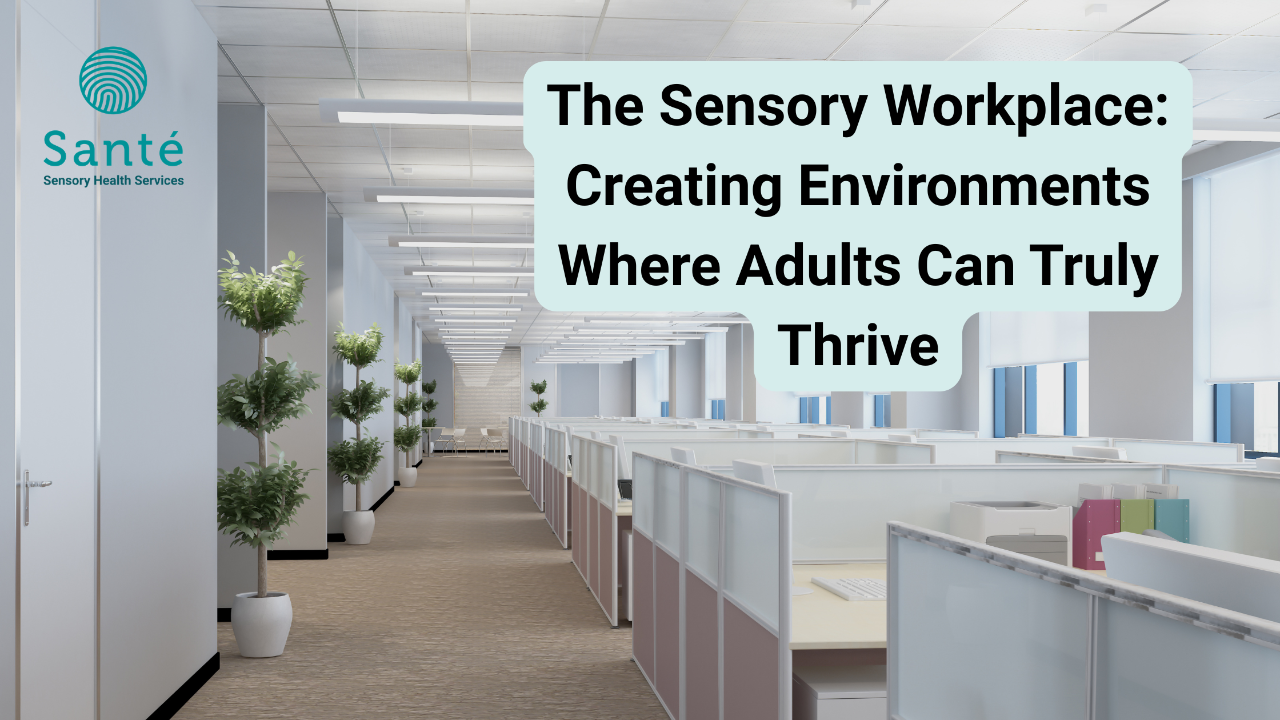
Is Your Workplace Working With Your Nervous System - Or Against It?
Most of us spend a huge chunk of our lives at work. Yet how often do we actually stop and ask whether the place we're working in is helping our nervous system, or fighting it?
Let's reflect on work for a moment: what energises you, what drains you, and why some days feel easy while others feel like wading through treacle.
Much of that comes down to something we rarely talk about at work: the sensory environment.
We tend to think productivity comes down to motivation, time management, or simply "trying harder." But our sensory environment plays a much bigger role than most people realise. The light above your desk. The hum of conversations across the room. The temperature. The number of interruptions. Even the chair you're sat in all day. All of it shapes how you think, feel, and function - whether you notice it or not.
Every single one of us brings our own Sensory Thumbprint® into the office or wherever you work. Some people thrive in a busy, open-plan space full of chatter and movement. Others feel completely overwhelmed by it - the phones, the noise, the constant hum of other people's conversations. Some concentrate best with a bit of movement; others need total stillness. Some are thrown off by bright lighting, strong smells, scratchy clothing, or a flickering screen. Others don't even register when they're hungry, tired, thirsty, or heading towards overwhelm until it's too late.
None of this is about motivation, willpower, or capability. It's the nervous system responding to an environment that's not supporting it.
We've spent years measuring performance at work without ever really considering the environment people are expected to perform in. Yet we'd never expect an athlete to compete without the right conditions. Our brains are no different. When our sensory systems are working overtime just to filter out noise, light, or interruptions, there's simply less energy left over for creativity, problem-solving, and decision-making.
Once you start looking at workplaces through a sensory lens, an awful lot suddenly makes sense.
The quiet, withdrawn colleague? Possibly overwhelmed by noise. The one who's always tapping their foot or fidgeting? Probably using movement to stay alert and focused. The person who does their best work from home? Not "less committed" - just working somewhere their sensory system can actually cope. The employee who seems disorganised or forgetful? That might be sensory overload, not a lack of ability. And the person who's burnt out? They may have spent months, even years, expecting their nervous system to cope with more than it was ever designed to manage.
Thankfully, workplaces don't need a big budget or a complicated policy to become sensory healthy. Often it's the smallest tweaks that make the biggest difference - as long as they’re the right sensory fit!
- Softer lighting or a desk lamp instead of harsh overheads
- Access to a quieter space, or noise-cancelling headphones
- Room to move, stretch, or walk between meetings
- Less visual clutter, clearer organisation
- Predictable communication and realistic expectations
- Genuine respect for the fact that we all think, focus, and recharge differently
The biggest shift though is cultural. When we understand that people experience the world differently, instead of asking, “Why can't they just get on with it?” we can ask “what does this person need” to do their best work?
A sensory-healthy workplace doesn't just boost productivity. It nurtures wellbeing, eases unnecessary stress, strengthens relationships, and helps people feel valued for who they are - not just what they produce. When we understand our own Sensory Thumbprint® - and make the small adjustments that support it - work stops being something we just get through - it becomes somewhere we have more energy, think more clearly, build healthier relationships, and end the day with a bit more left in the tank for when we get home.
Ask yourself today...
What's one small change that could make my working day just that little bit better?
Would you like to chat with someone about how the Sensory Super System® can help you manage your sensory needs?
Stay connected with insights and updates!
Join our mailing list to receive tips, updates, devotionals, insights...
Don't worry, your information will not be shared.
We don't SPAM. We will never sell your information, for any reason.
